Climate Adaptation in Urban Design: Building Resilient Cities for the Future
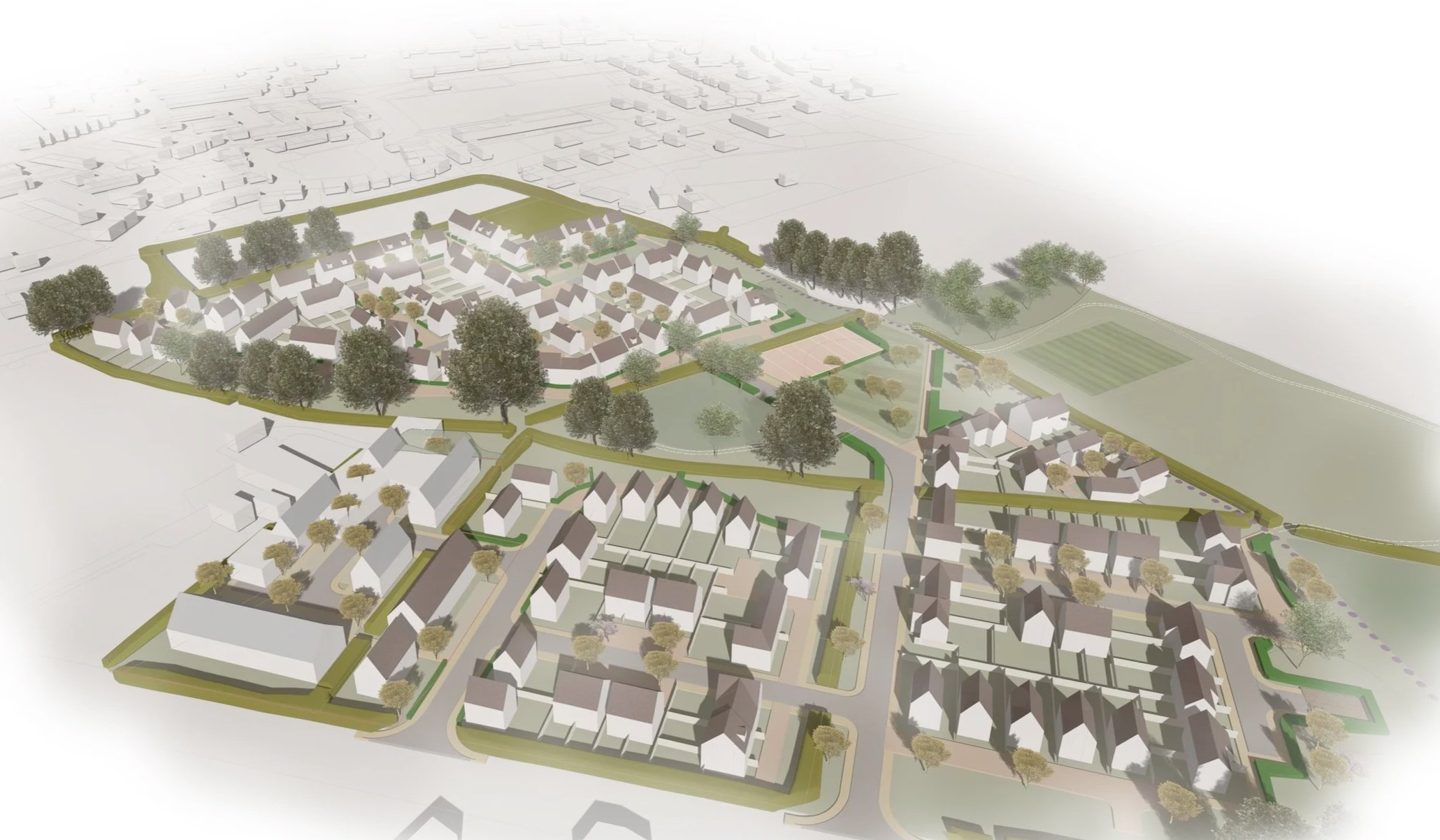
Climate change is reshaping urban development across the UK. For developers, architects, and master planners, integrating climate adaptation in urban design is no longer optional—it’s essential for creating resilient cities that thrive under extreme weather, rising temperatures, and flooding risks.
What Is Climate Adaptation and Resilience in Urban Design?
Climate adaptation refers to designing urban areas to reduce vulnerability to climate impacts, including floods, heatwaves, and storms. Resilience is a city’s ability to withstand, recover, and adapt to these challenges over time.
From a master planner’s perspective, embedding resilience in urban design ensures developments remain sustainable, profitable, and future-proof.
Flood-Resilient Infrastructure: Protecting Urban Assets
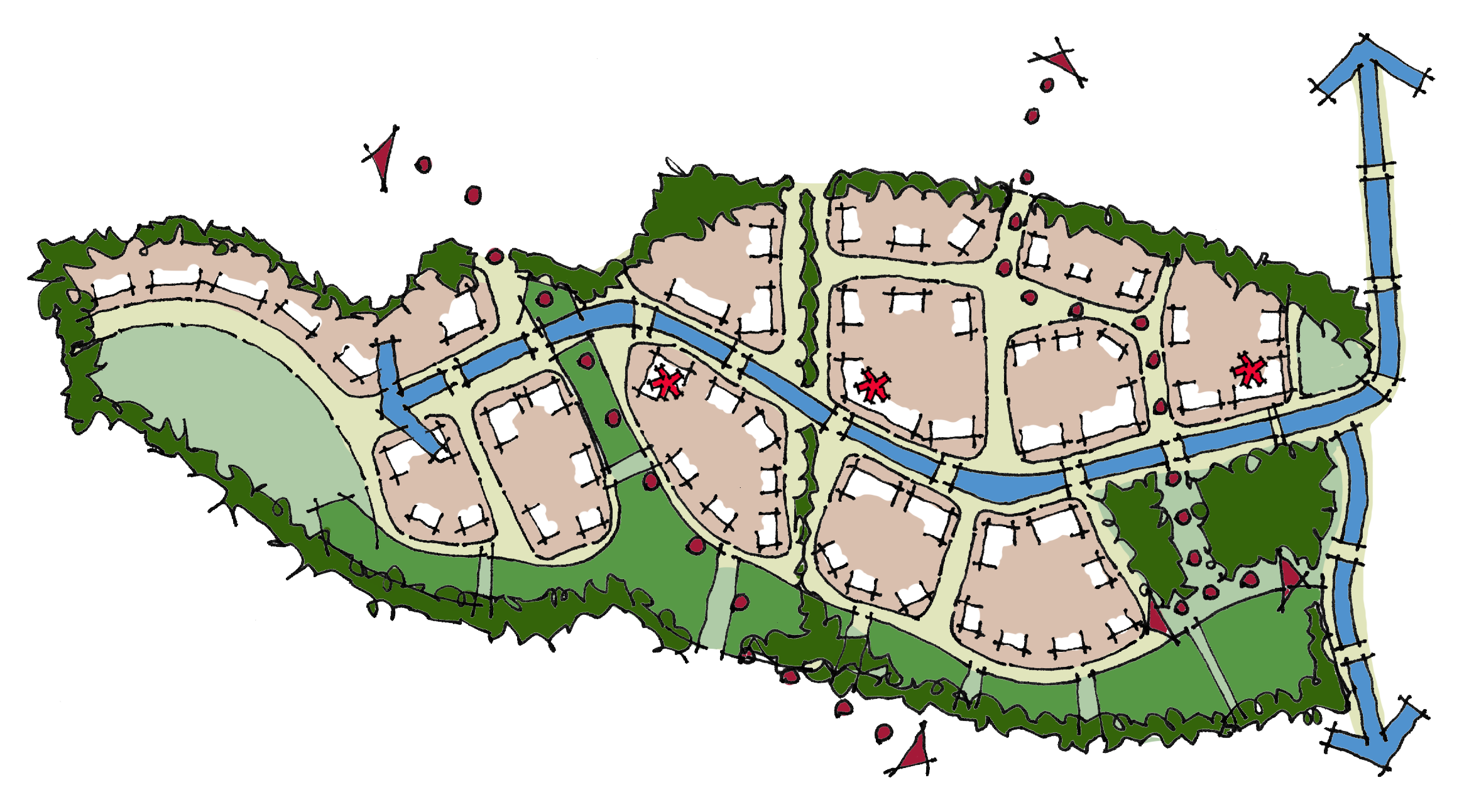
Flooding is a key climate risk in UK cities. Urban flood resilience can be achieved through:
Blue-green infrastructure: Rivers, wetlands, and retention basins integrated into urban master plans
Sustainable Drainage Systems (SuDS): Swales, permeable paving, and rain gardens to manage stormwater
Floodable public spaces: Parks and plazas designed to store excess water safely
Master planners can use these strategies to minimise flood damage, increase property value, and enhance biodiversity.
Urban Heat Mitigation Strategies for Developers
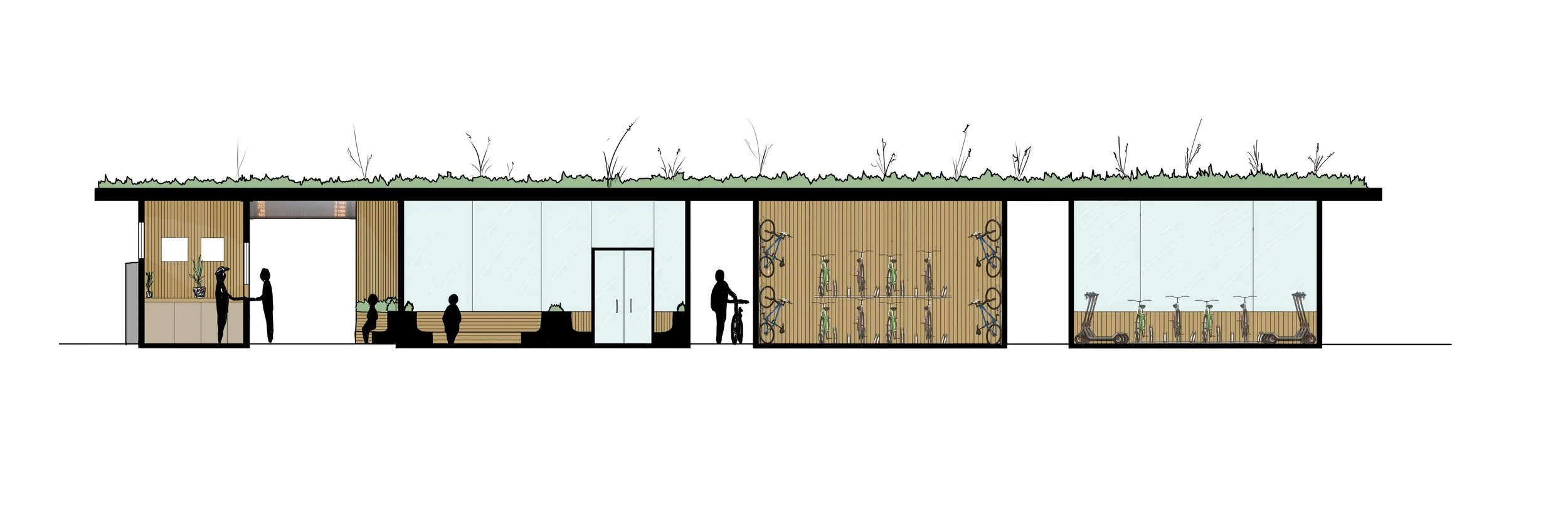
The urban heat island effect is increasing in UK cities. Developers can address this through:
Strategic tree canopy and green corridors
Reflective building materials and shaded streets
Green roofs and walls for energy efficiency and microclimate improvement
These interventions reduce energy costs, improve comfort, and create heat-resilient neighbourhoods that attract tenants and buyers.
Social Resilience: Designing Communities That Adapt
Resilient urban design is not just physical—it’s social. Master planners can strengthen community resilience by:
Creating walkable, mixed-use neighbourhoods
Designing inclusive public spaces to encourage social cohesion
Ensuring access to local amenities, transport, and healthcare.
Retrofitting Existing Urban Areas for Climate Adaptation
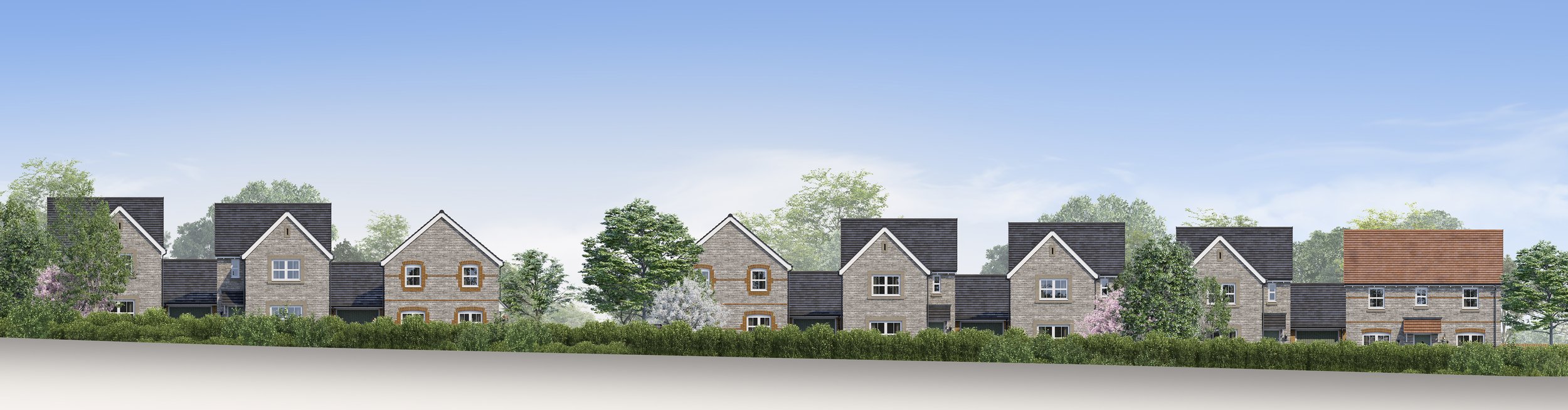
Most UK urban areas are already built, making retrofitting a priority:
Depaving streets and adding green spaces for water management
Upgrading buildings for heat resilience and energy efficiency
Integrating renewable energy and water-saving systems
Even small-scale interventions improve urban resilience and increase the long-term value of developments.
Designing for Uncertainty: Flexibility in Urban Master Planning
Climate change is uncertain, so urban design must be flexible. Master planners should:
Use multi-functional spaces for flooding, heat, or recreation
Build redundancy into energy, water, and transport systems
Create frameworks for iterative adaptation as climate projections evolve
Flexibility ensures developments remain resilient, profitable, and compliant with UK planning policies.
Practical Steps for Developers
Master planners and developers can embed climate adaptation and resilience into projects by:
Conducting climate risk assessments at the start of planning
Integrating blue-green infrastructure and SuDS
Collaborating with local authorities, engineers, and communities
Designing flexible, multi-functional public spaces
Monitoring outcomes and iterating for long-term resilience.
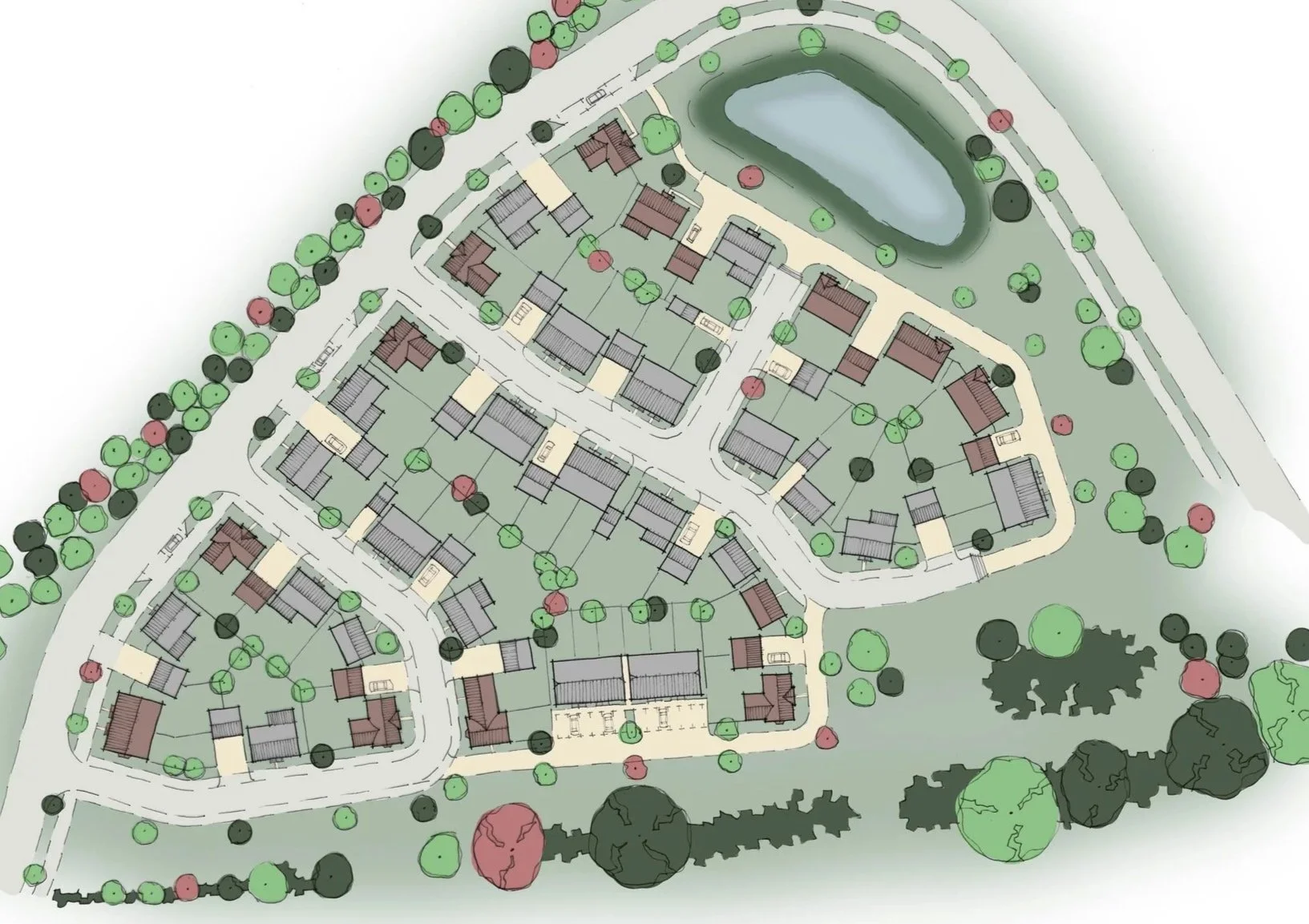
Conclusion: Future-Proof Urban Development
By integrating climate adaptation and resilience into urban master planning, developers can create flood-resilient, heat-mitigated, and socially resilient neighbourhoods that deliver long-term economic, environmental, and social benefits.
Master-planned cities that embrace green infrastructure, flexible urban design, and community cohesion are not just climate-ready—they are investment-ready.