Unlocking Brownfield Potential Through Masterplanning

As the demand for housing, employment space and community infrastructure continues to grow across the UK, the need to make the most of existing land has never been more important. Brownfield redevelopment presents a significant opportunity to deliver sustainable growth while reducing pressure on undeveloped greenfield sites.
However, successful brownfield regeneration is about far more than replacing disused buildings or repurposing vacant land. It is about creating well-designed places that respond to local context, support communities and provide lasting social, environmental and economic value. This is where masterplanning plays a vital role.
What is Brownfield Redevelopment?
Brownfield land refers to previously developed sites that are no longer in use or are underutilised. These may include former industrial estates, warehouses, redundant commercial premises or vacant urban land.
While these sites often present challenges, they also represent opportunities to regenerate existing neighbourhoods, improve connectivity and support sustainable urban growth.
Rather than expanding into undeveloped countryside, brownfield redevelopment allows towns and cities to evolve by making better use of land that already has established infrastructure and access to local services.
Why Masterplanning Matters
Every brownfield site is unique. Site history, surrounding land uses, environmental constraints and existing infrastructure all influence how development should be approached.
A masterplan provides the strategic framework that guides this process. It ensures that development is not considered as a collection of individual buildings but as part of a connected and coherent place.
By taking a long-term view, masterplanning helps balance development viability with placemaking, sustainability and community needs.
Understanding Site Constraints
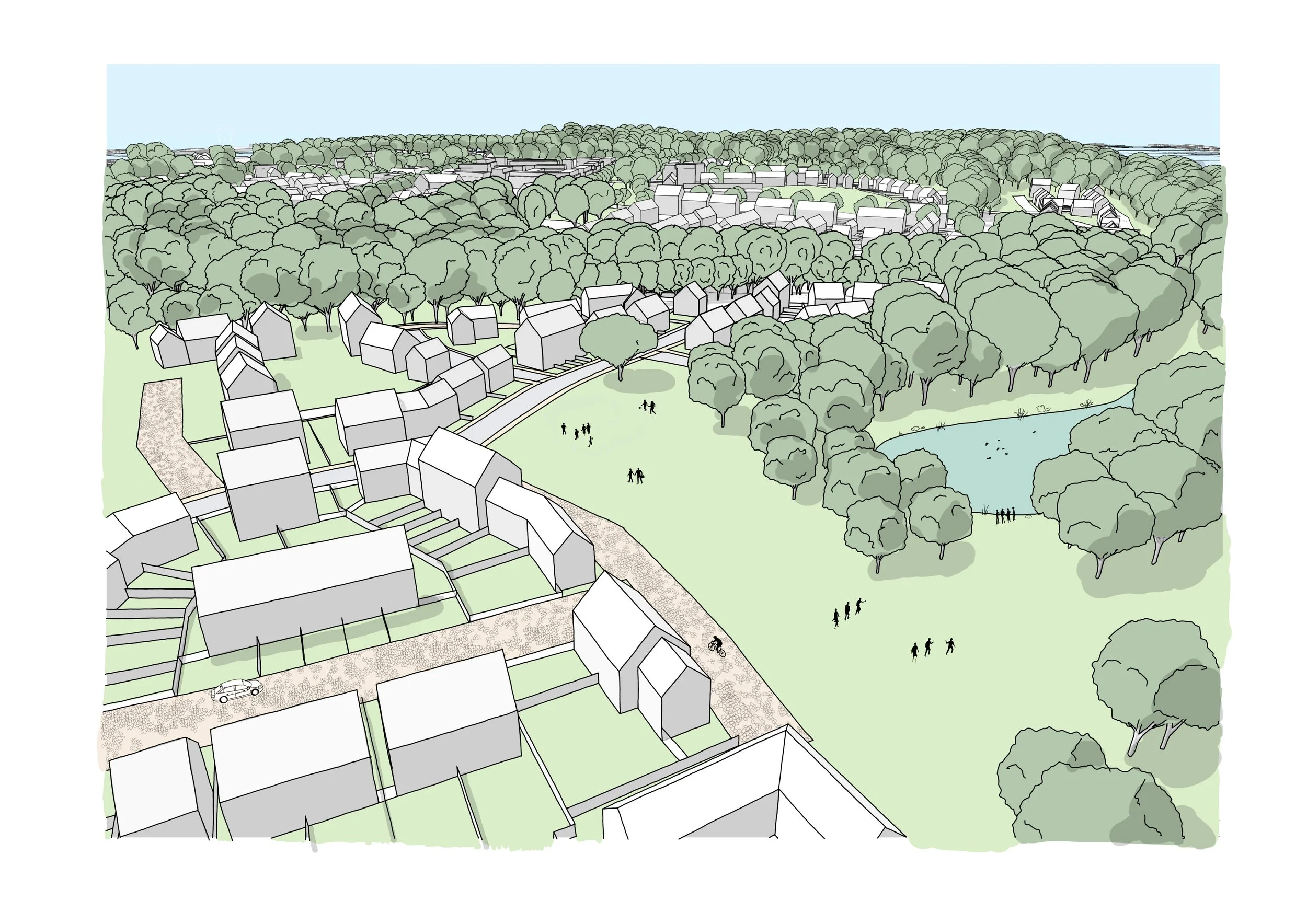
Brownfield sites often come with complexities such as contamination, flood risk, existing utilities, heritage assets or fragmented ownership.
While these constraints can appear challenging, they also help define a site's character and influence creative design solutions.
A thorough understanding of these factors at the outset allows planners and designers to identify realistic opportunities while minimising future risks.
Creating Connected Communities
Connectivity is one of the most important principles of successful masterplanning.
Brownfield developments should strengthen links between existing neighbourhoods, public transport, employment areas and local amenities. Walkable streets, cycling routes and accessible public spaces encourage healthier lifestyles while reducing dependence on private vehicles.
Good connectivity also helps integrate new development into the wider urban fabric rather than creating isolated communities.
Enhancing the Environment
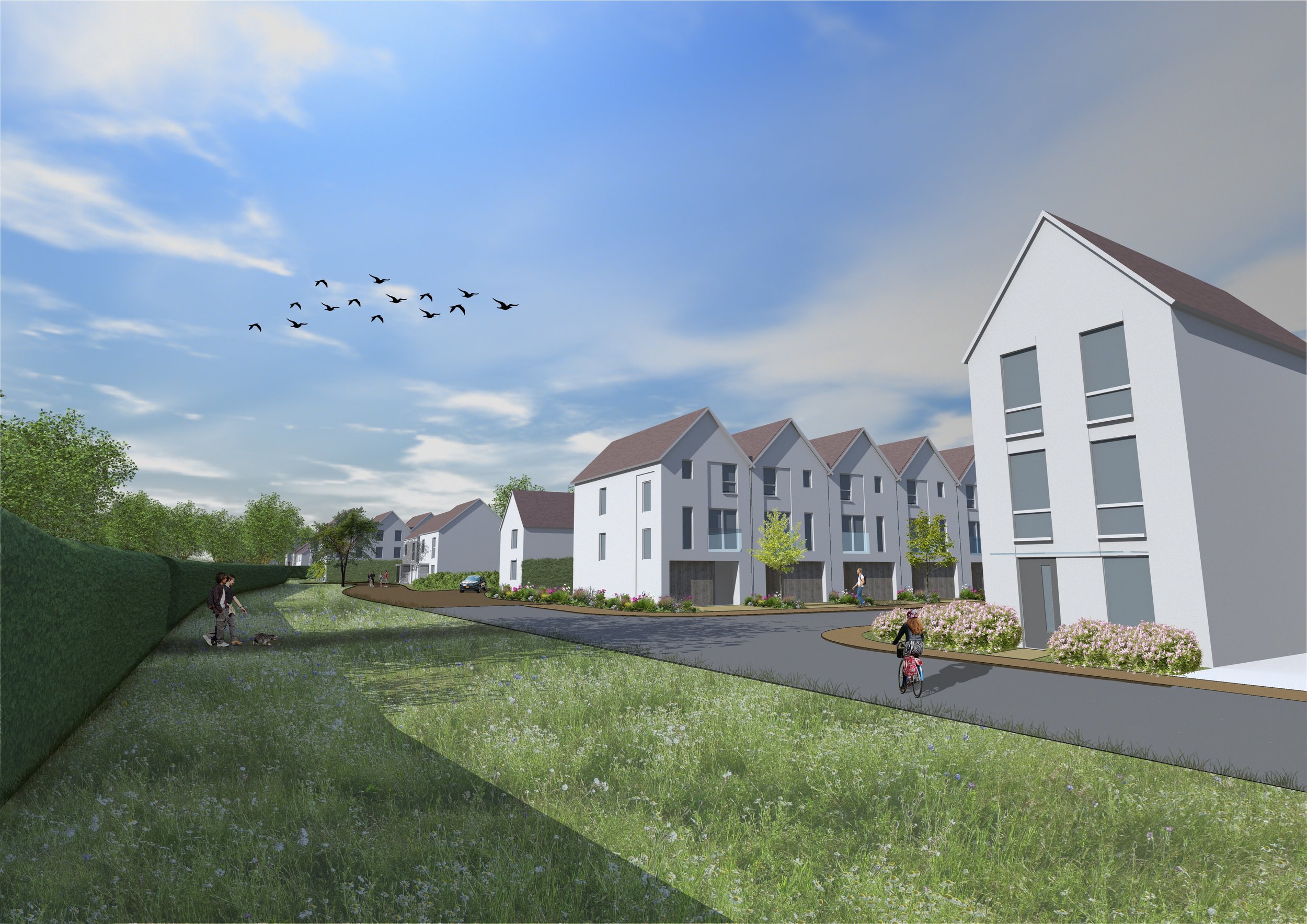
Brownfield redevelopment offers an opportunity to improve environmental performance while contributing to wider sustainability objectives.
Through thoughtful design, sites can incorporate green infrastructure, sustainable drainage systems, biodiversity enhancements and climate resilience measures.
Introducing high-quality public realm and green spaces not only benefits wildlife but also improves wellbeing for those who live and work within the development.
Designing Places with Identity
Successful regeneration creates places that people recognise and value.
Masterplanning considers local character, heritage, landscape and existing urban form to ensure new development complements its surroundings rather than competing with them.
Strong street networks, attractive public spaces and active frontages all contribute to creating neighbourhoods with a clear sense of identity and place.
Bringing Brownfield Sites Back to Life
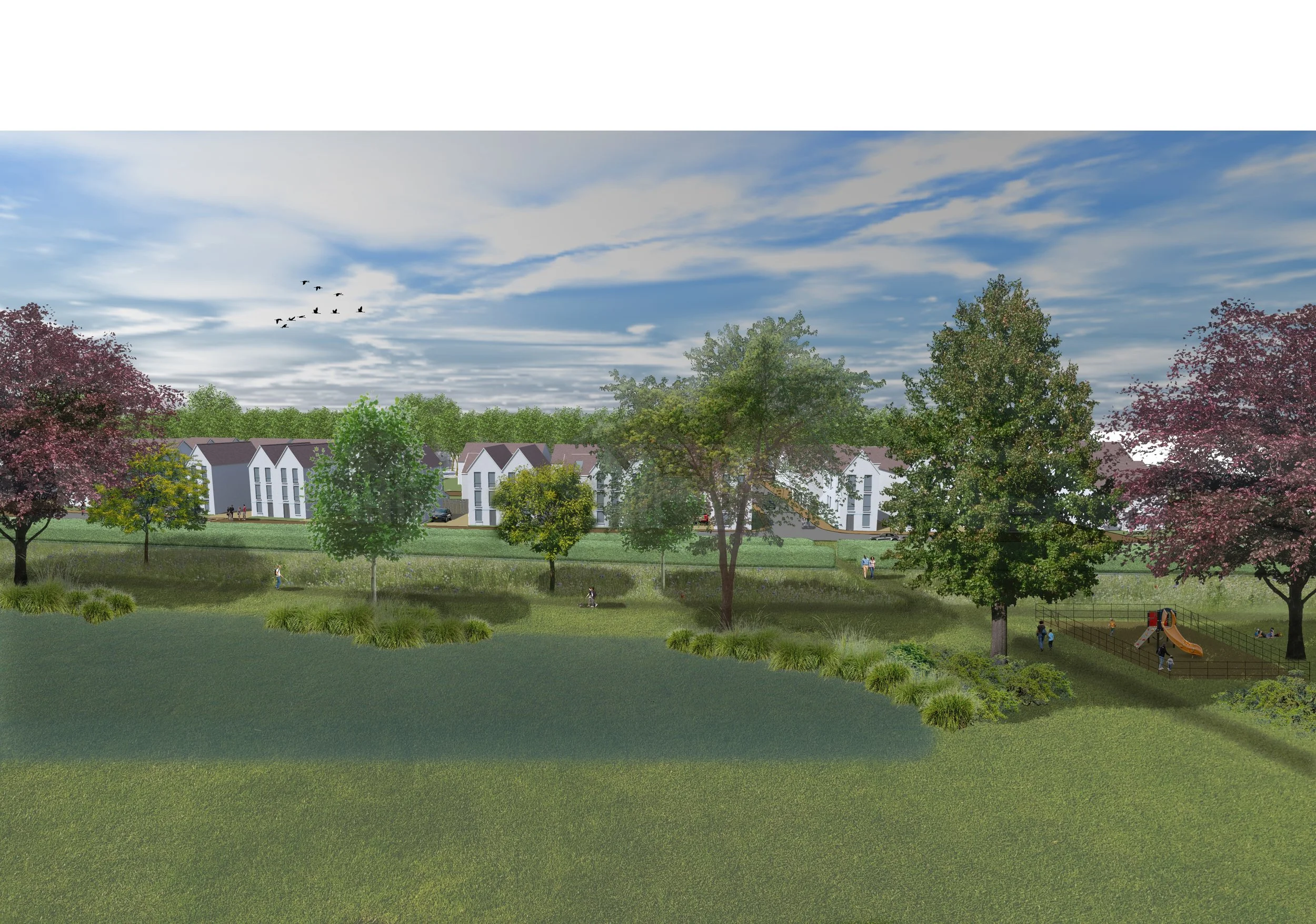
Brownfield redevelopment is about far more than making use of vacant or underutilised land. It is an opportunity to regenerate communities, improve local environments and create places that support the needs of both existing and future residents.
Successful projects are built on a thorough understanding of the site's constraints, opportunities and surrounding context. Through strategic masterplanning, these elements can be brought together to create developments that are well-connected, environmentally responsible and rooted in their local character.
By balancing housing, employment, public spaces and infrastructure within a clear spatial framework, brownfield regeneration delivers benefits that extend beyond the site itself. It strengthens neighbourhoods, makes better use of existing resources and contributes to more sustainable patterns of growth.
Ultimately, the success of brownfield redevelopment lies not simply in transforming land, but in creating high-quality places that add lasting value to the communities they serve.