Can We Meet Housing Demand Without Compromising Good Design?
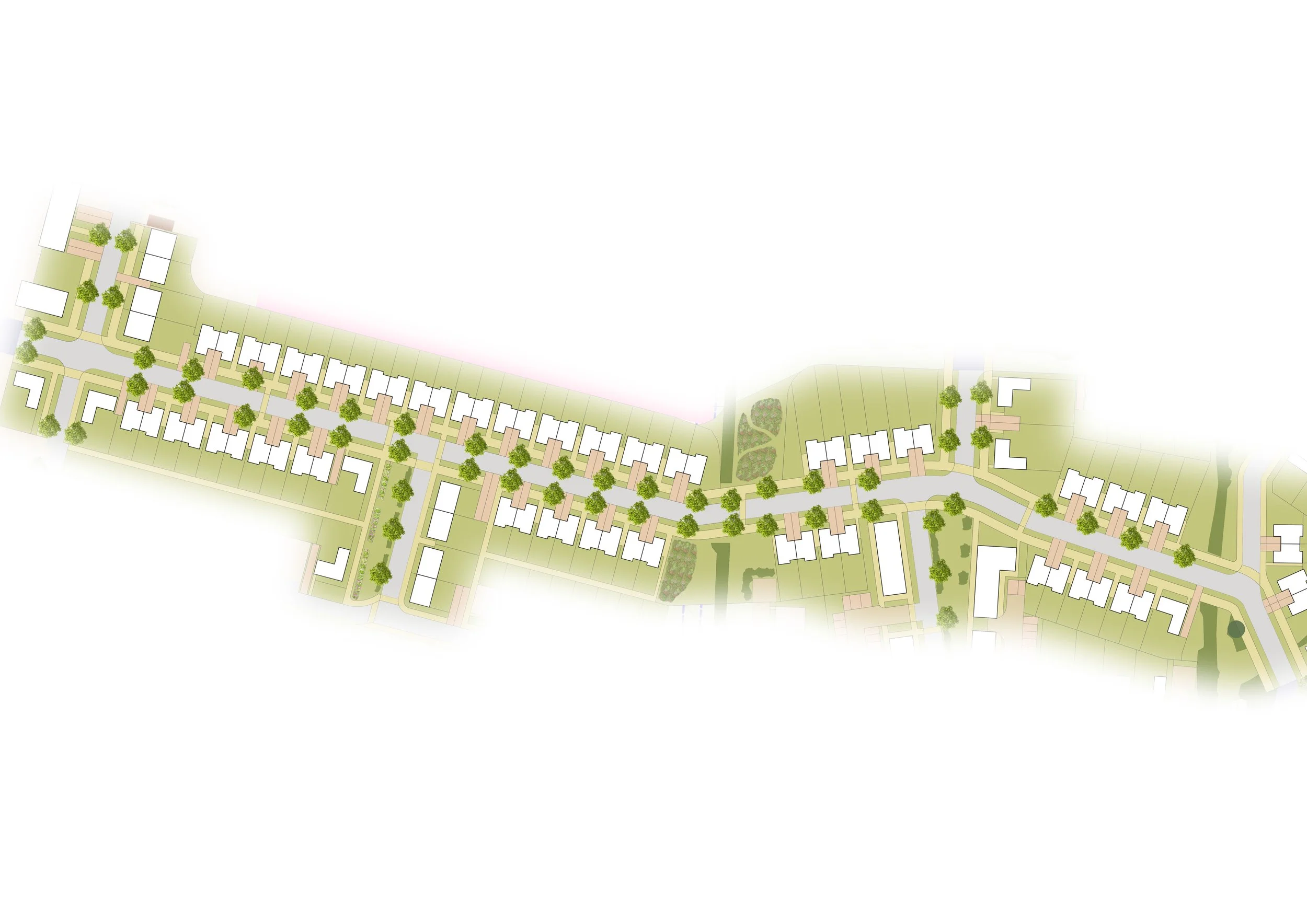
The need for new housing is one of the defining planning challenges of our time.
Across the UK, local authorities are under pressure to deliver homes, developers are working to bring forward sites, and communities are increasingly concerned about how growth will affect the places they live.
The conversation often becomes polarised. On one side are housing numbers. On the other is design quality.
But in our experience, these shouldn't be competing priorities.
The most successful developments are rarely those that simply maximise housing numbers. Equally, they are not schemes that resist growth altogether. They are places where growth is carefully planned, with urban design helping to shape neighbourhoods that work for both current and future communities.
At Urban Design Box, we believe good masterplanning is about much more than arranging houses on a site. It is about creating places with structure, identity and purpose.
Start with Context, Not a Layout
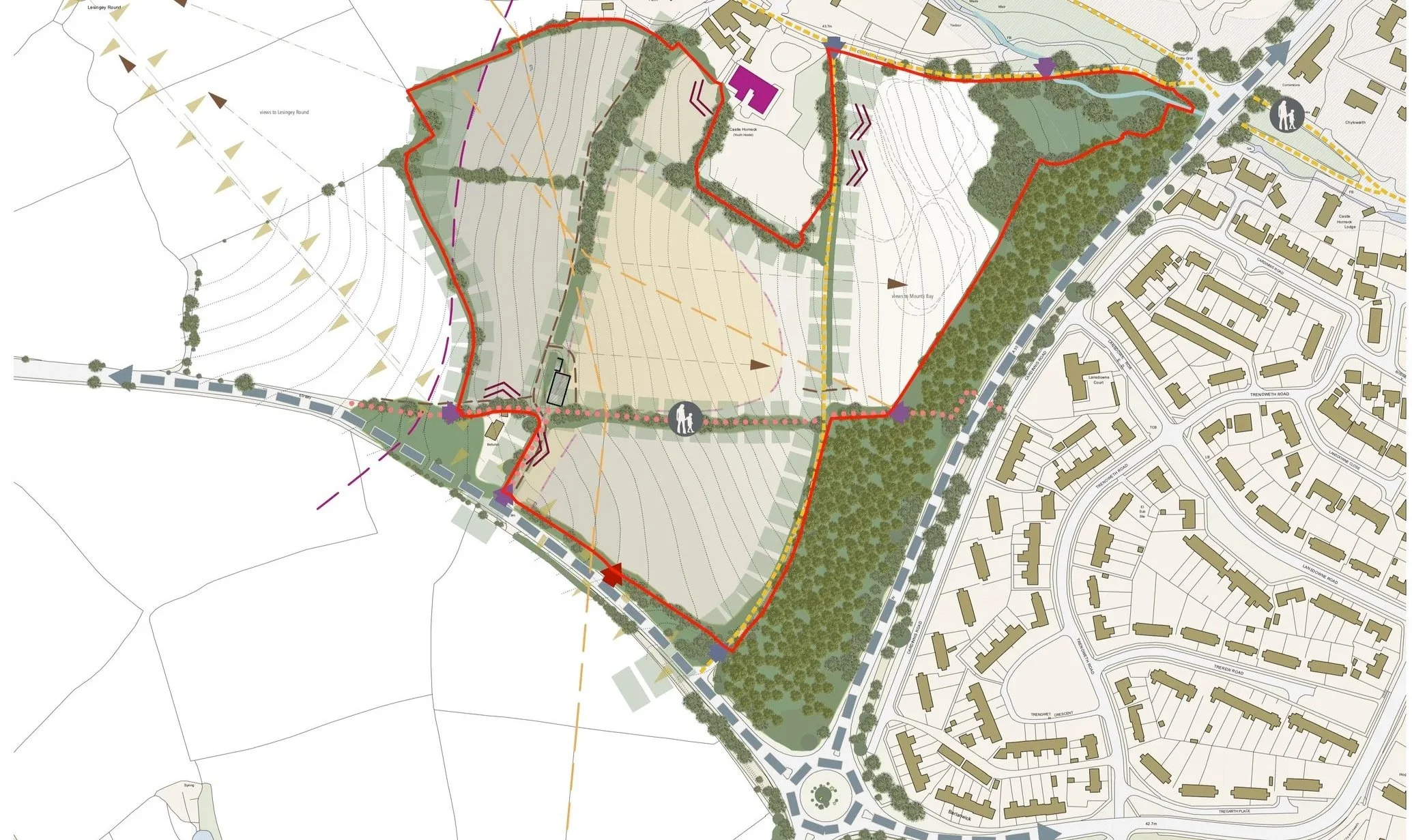
One of the biggest reasons new developments can feel disconnected from their surroundings is that the design process starts with housing numbers rather than place.
Before we begin drawing layouts, we look at what already exists.
How do people move through the area?
What are the defining landscape features?
Where are the important views?
What building forms and street patterns characterise the surrounding settlement?
What makes the place distinctive?
Character assessments help us understand these qualities and identify opportunities for new development to respond positively to its setting.
A village edge extension should not be planned in the same way as an urban regeneration site. Likewise, a market town expansion should have a different structure and character to a suburban housing development.
Good places are rooted in their context.
Streets Shape Places More Than Buildings
When people think about housing design, they often focus on the architecture.
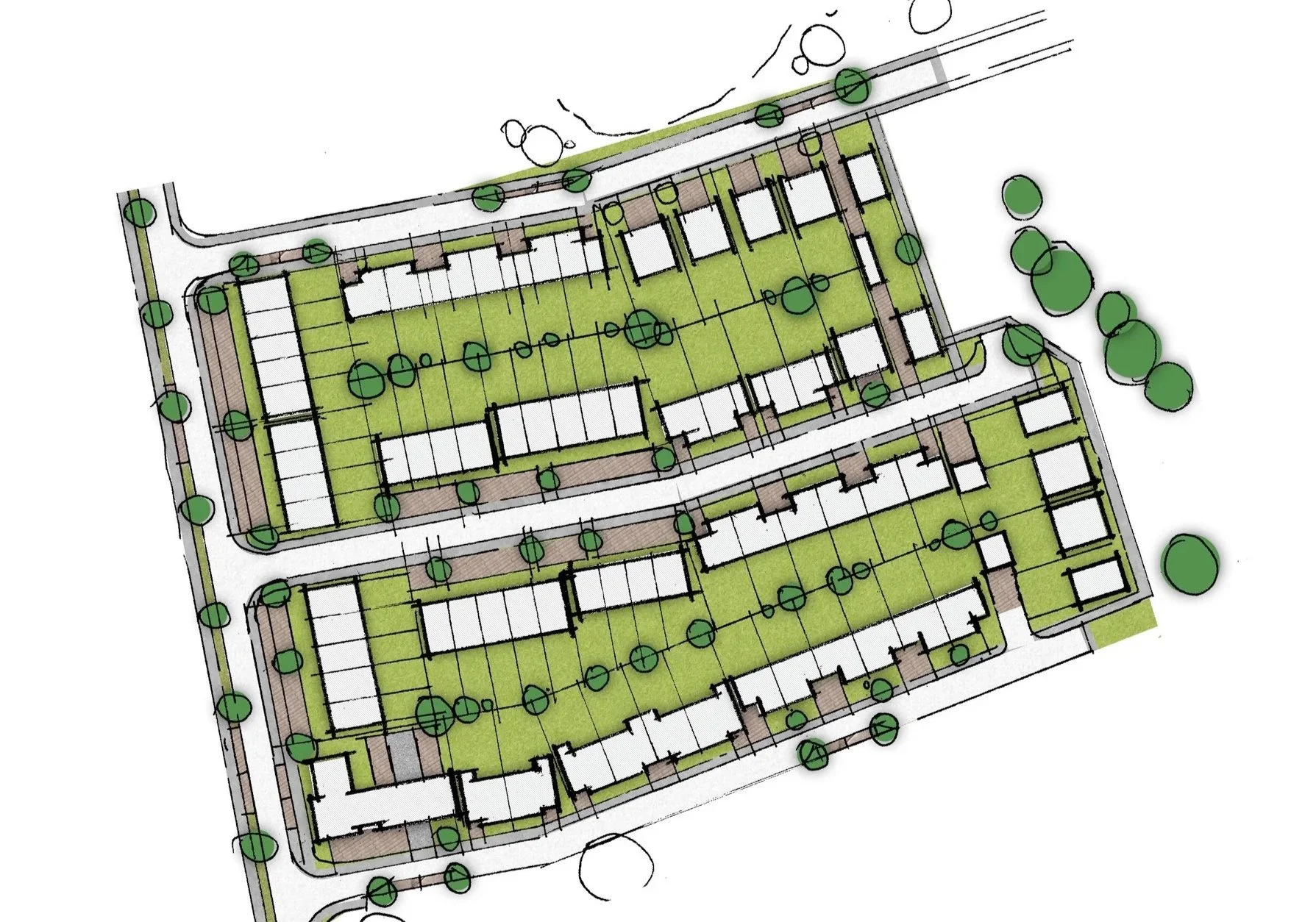
In reality, the street network usually has a greater influence on how a place functions and feels.
A well-designed street can support movement, social interaction, play, planting and identity.
A poorly designed street can become dominated by parking, traffic and leftover space.
Successful masterplans establish a clear hierarchy of streets from the outset.
Primary routes connect the development to surrounding neighbourhoods.
Secondary streets provide local access.
Smaller lanes and mews create more intimate residential environments.
Each has a different role, character and design response.
This hierarchy helps people understand and navigate a place while creating a richer and more varied environment.
Density Is About Design, Not Height
Density is often one of the most debated aspects of housing development.
However, higher density does not automatically mean tall buildings, and lower density does not automatically create better places.
Some of Europe's most successful neighbourhoods achieve relatively high densities through terraces, perimeter blocks and well-structured streets rather than towers.
The key question is not how many homes are being delivered.
It is how those homes are organised.
Can residents comfortably walk to local amenities?
Does the development have usable public space?
Do streets feel enclosed and overlooked?
Is there a clear distinction between public and private space?
When these fundamentals are considered, density can support vibrant and liveable communities.
Character Comes From Structure
A common criticism of new housing developments is that they all look the same.
While architectural variety is important, character is rarely created by building design alone.
Strong character often emerges from:
street patterns
landscape structure
public spaces
key views and landmarks
changes in topography
block arrangement
local materials
In our projects, creating character often starts with identifying the unique qualities of a site and using those qualities to inform the masterplan.
That may mean retaining existing hedgerows and incorporating them into green corridors.
It may mean responding to historic field patterns.
It may mean creating focal spaces around existing landscape features.
These decisions help create places that feel connected to their location rather than interchangeable with developments elsewhere.
Housing Developments Need More Than Housing
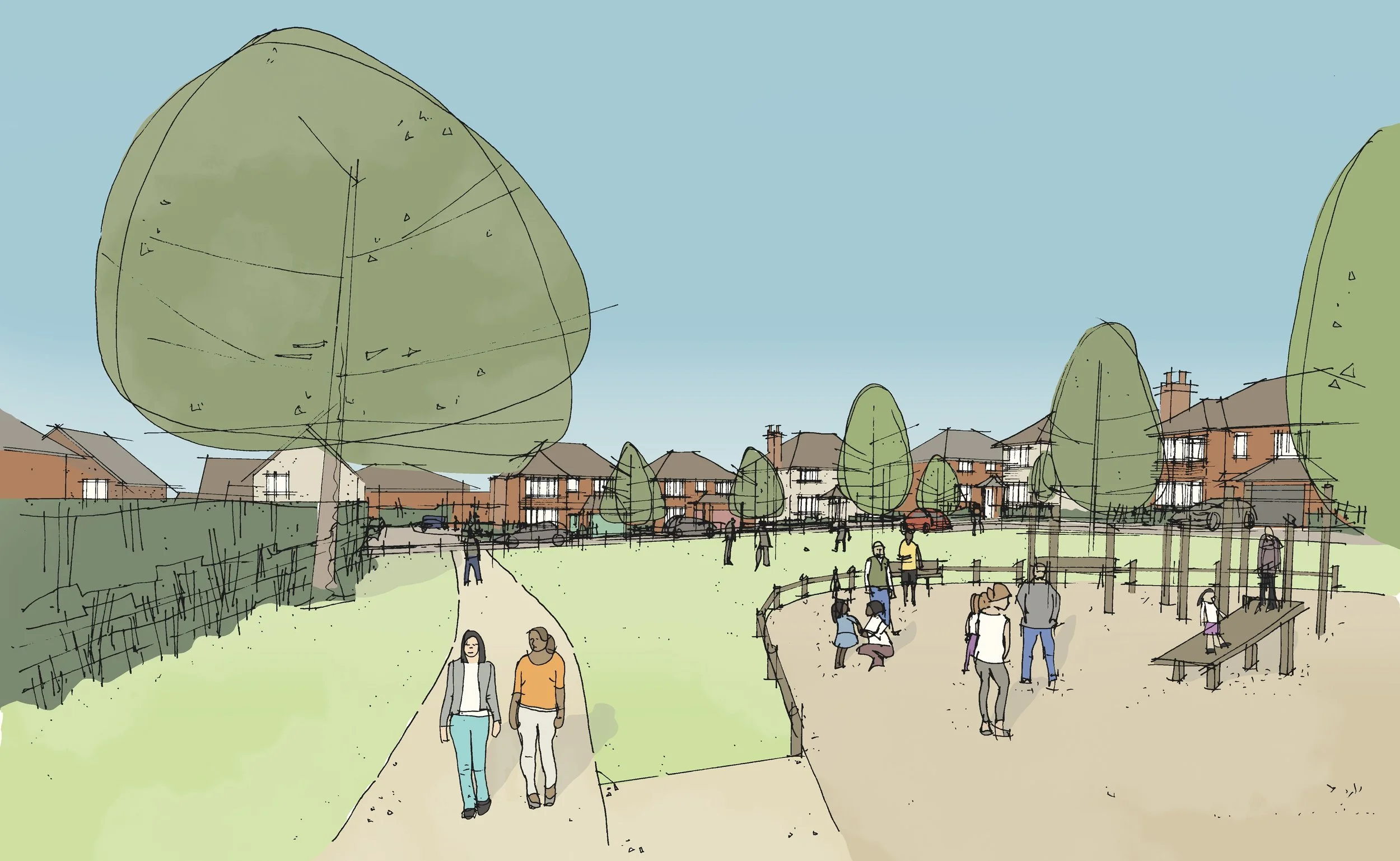
One of the most important aspects of successful masterplanning is thinking beyond individual plots.
People do not experience places as a collection of housing parcels.
They experience them as neighbourhoods.
That means considering:
walking and cycling connections
public transport access
local centres
play spaces
community facilities
green infrastructure
public realm
The most successful developments are those where these elements are planned together from the beginning rather than added later.
Designing for the Long Term
Masterplans need to work not only when a development is completed but decades later.
Communities evolve.
Travel patterns change.
Technology develops.
The best masterplans are adaptable enough to accommodate that change while maintaining a strong underlying structure.
This is where urban design has a critical role to play.
A well-considered framework can support growth, create identity and help communities thrive long after construction is complete.
Looking Ahead
The challenge facing the industry is not simply how to deliver more homes.
It is how to create places that people are proud to live in.
Housing demand and good design should not be viewed as opposing forces.
With thoughtful masterplanning, careful consideration of context and a focus on creating successful neighbourhoods, it is possible to achieve both.
At Urban Design Box, that balance sits at the heart of what we do — helping shape developments that respond to their surroundings, support communities and create lasting value for the places they become part of.