Urban Design Box: Applying Innovation in Practice.
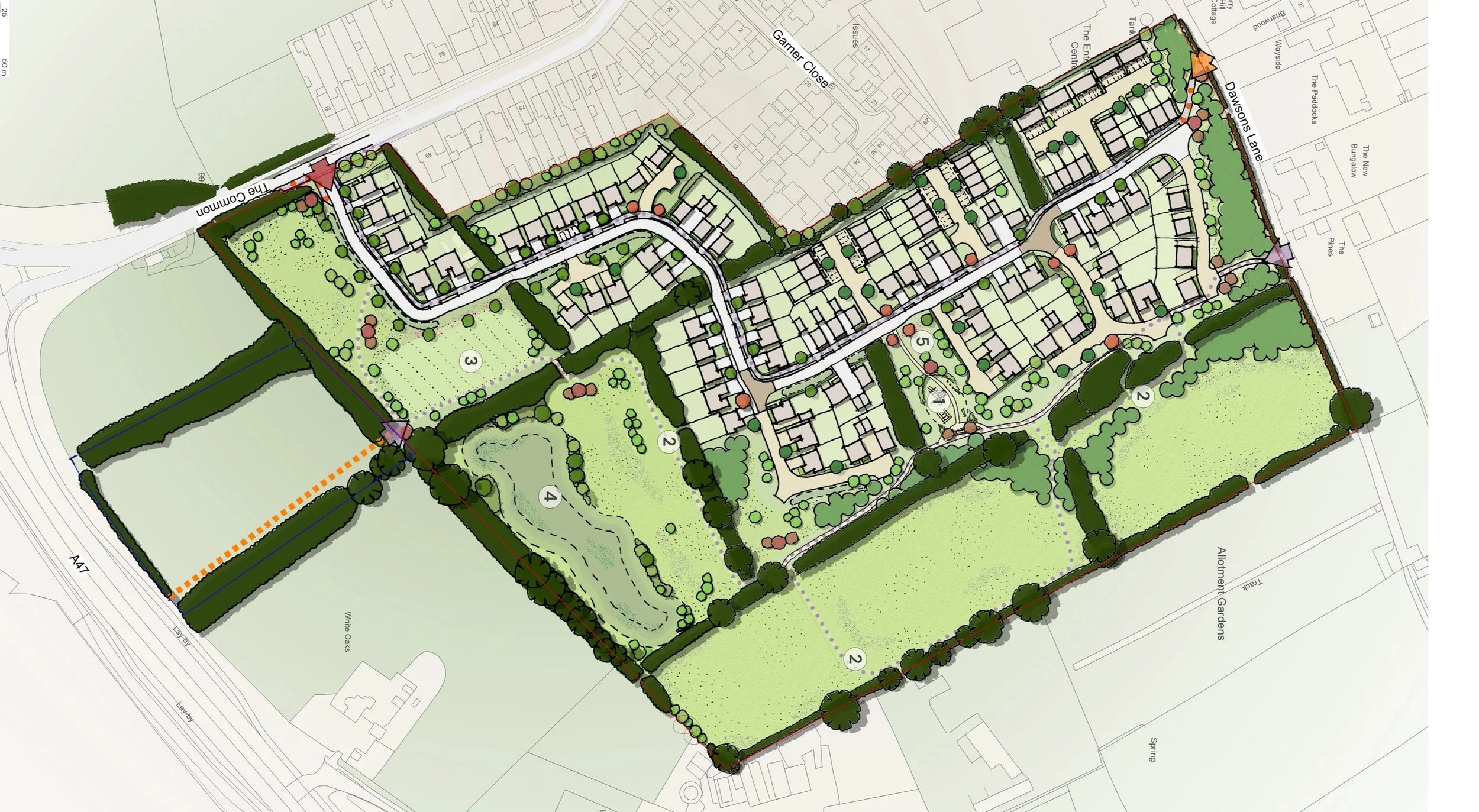
At Urban Design Box, innovation is not treated as an add-on or a separate layer of thinking. It is embedded within the core masterplanning process.
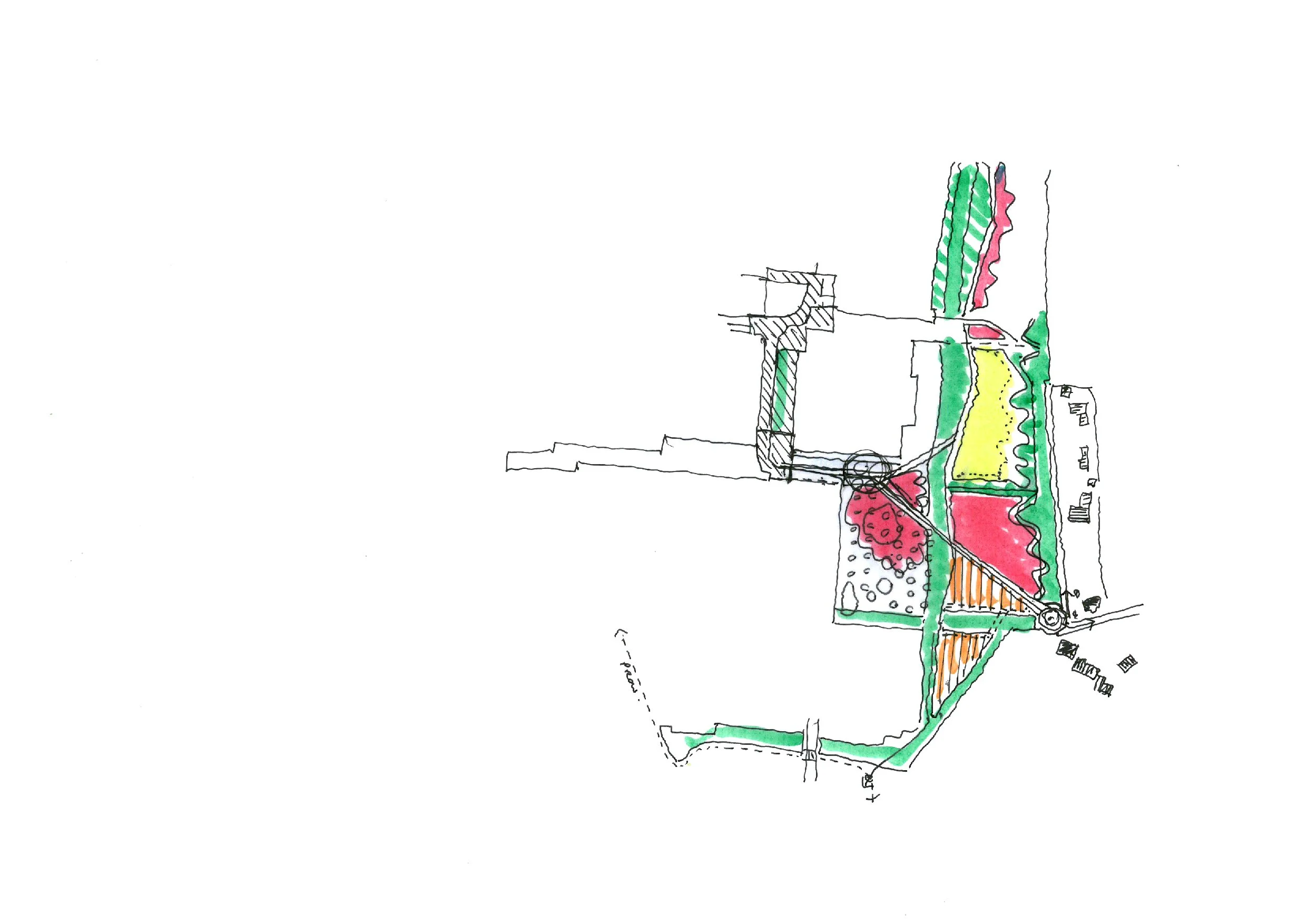
This begins with a thorough understanding of site context—including landscape, access, heritage, and surrounding communities. From this foundation, design strategies are developed that respond directly to both constraints and opportunities.
Reframing Streets as Places
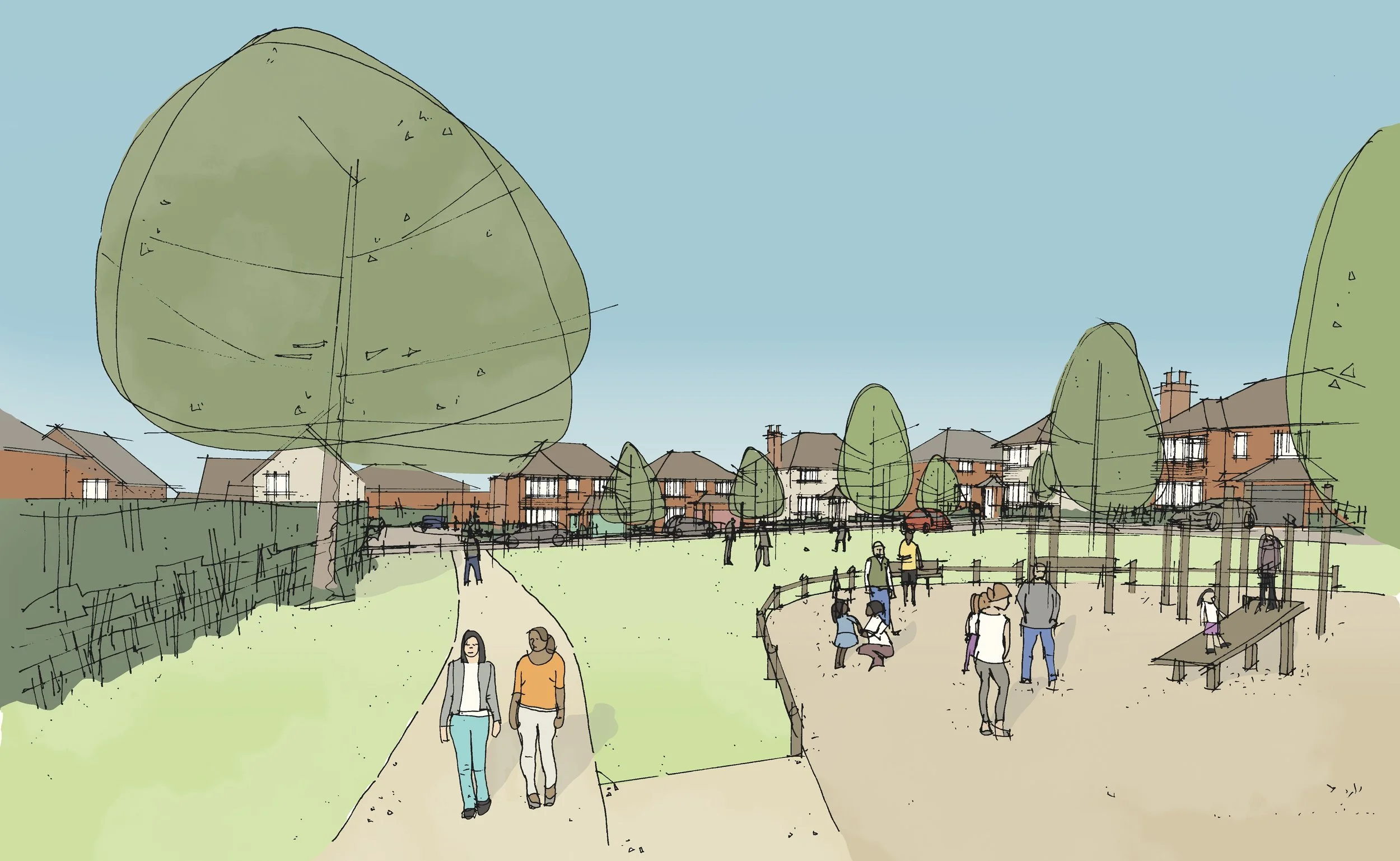
A key shift in recent masterplanning is the move away from car-dominated layouts.
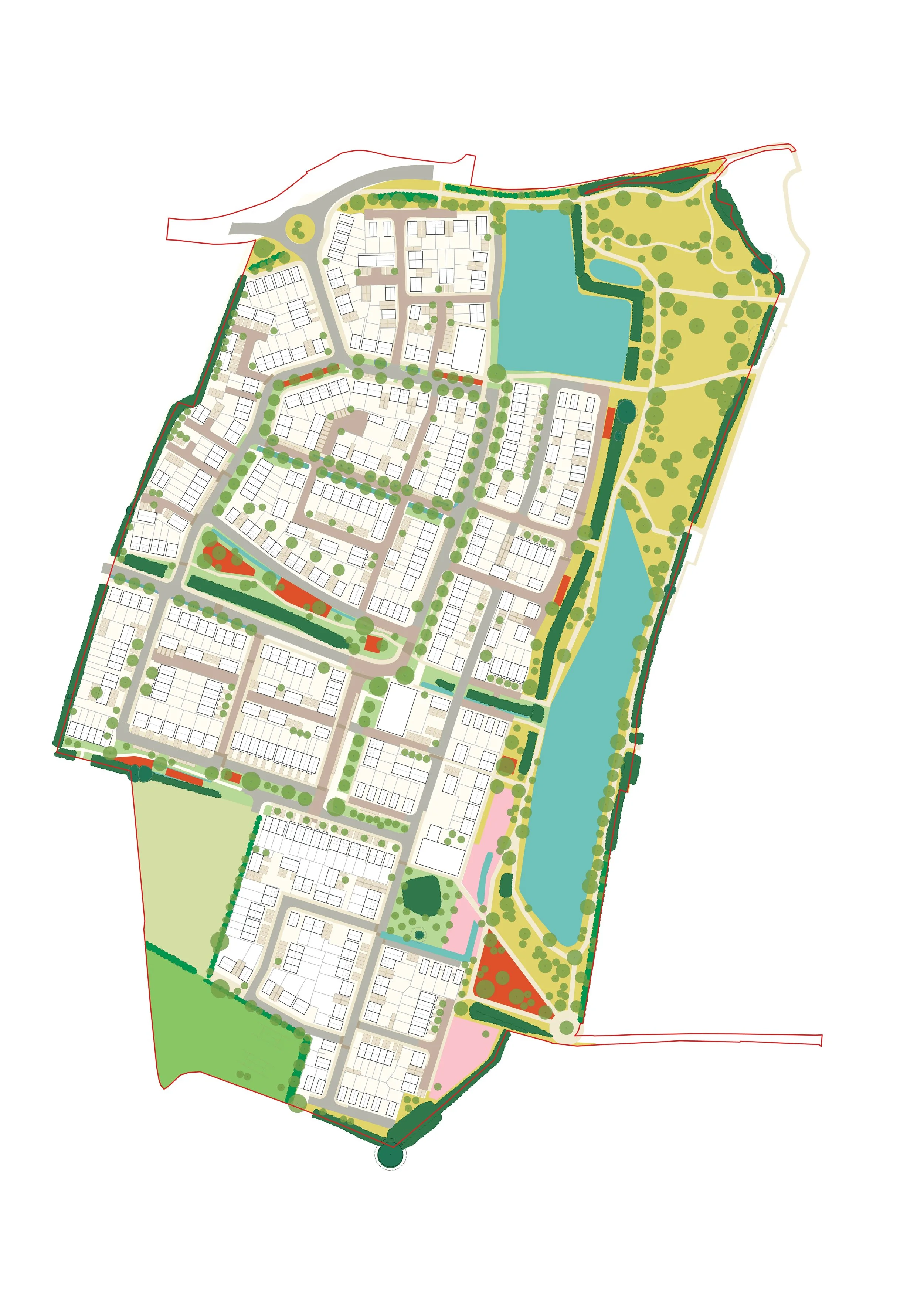
Streets are increasingly designed as multi-functional spaces, supporting movement, social interaction, and landscape. This includes prioritising walking and cycling, integrating planting, and carefully managing parking so it doesn’t dominate the public realm.
Well-designed streets contribute directly to the quality, safety, and identity of a place.
Nature-Led Design
Another important area of innovation is the integration of natural systems as core infrastructure.
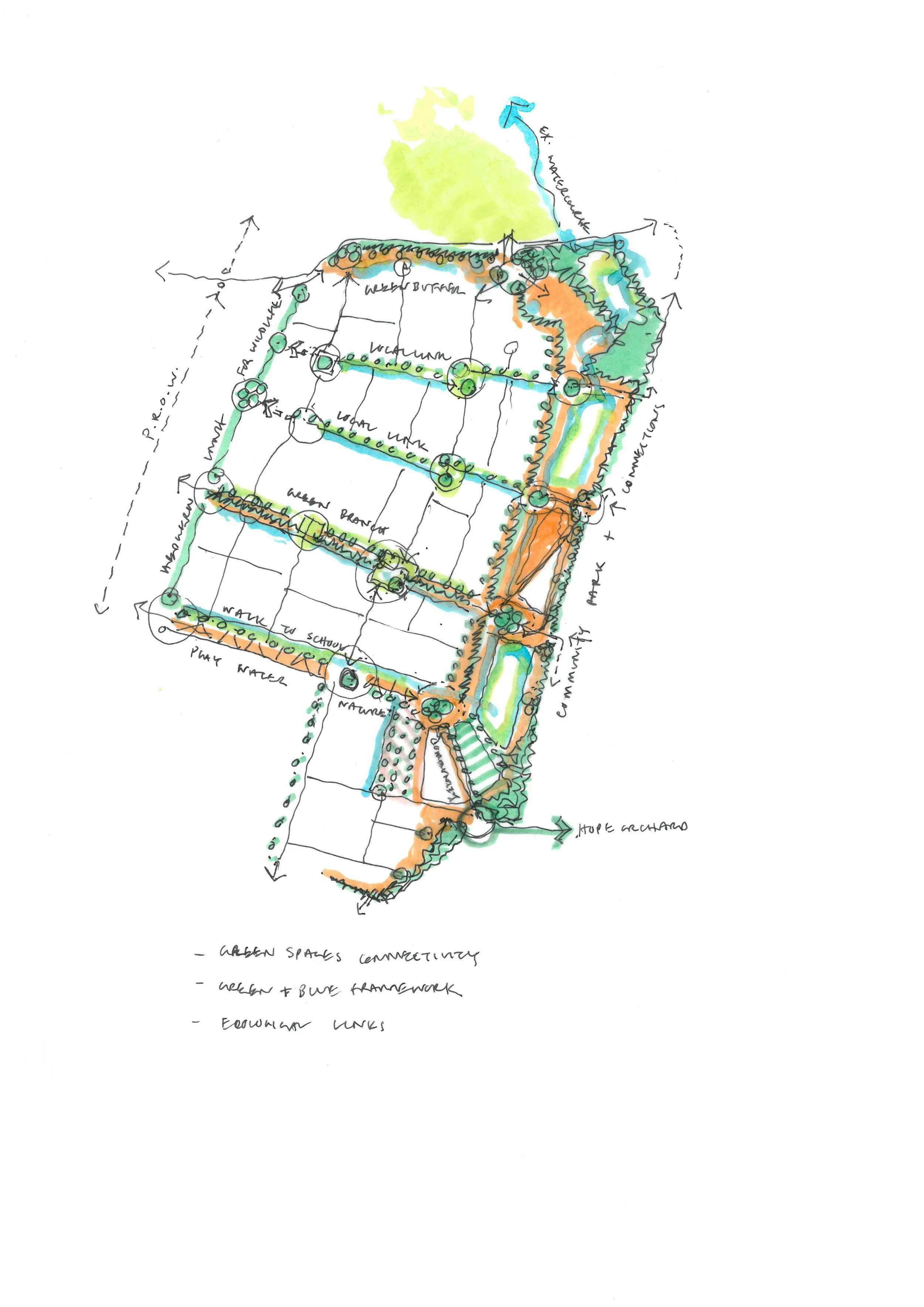
Rather than being added at the end, landscape and ecology now help shape the structure of development. In practice, this means:
Using Sustainable Drainage Systems (SuDS) to manage water naturally
Retaining and enhancing existing landscape features
Creating green corridors that support biodiversity
Designing multifunctional open space
This approach improves environmental performance while also strengthening character and long-term value.
Designing for Change
Masterplans must also respond to the reality that places evolve over time.
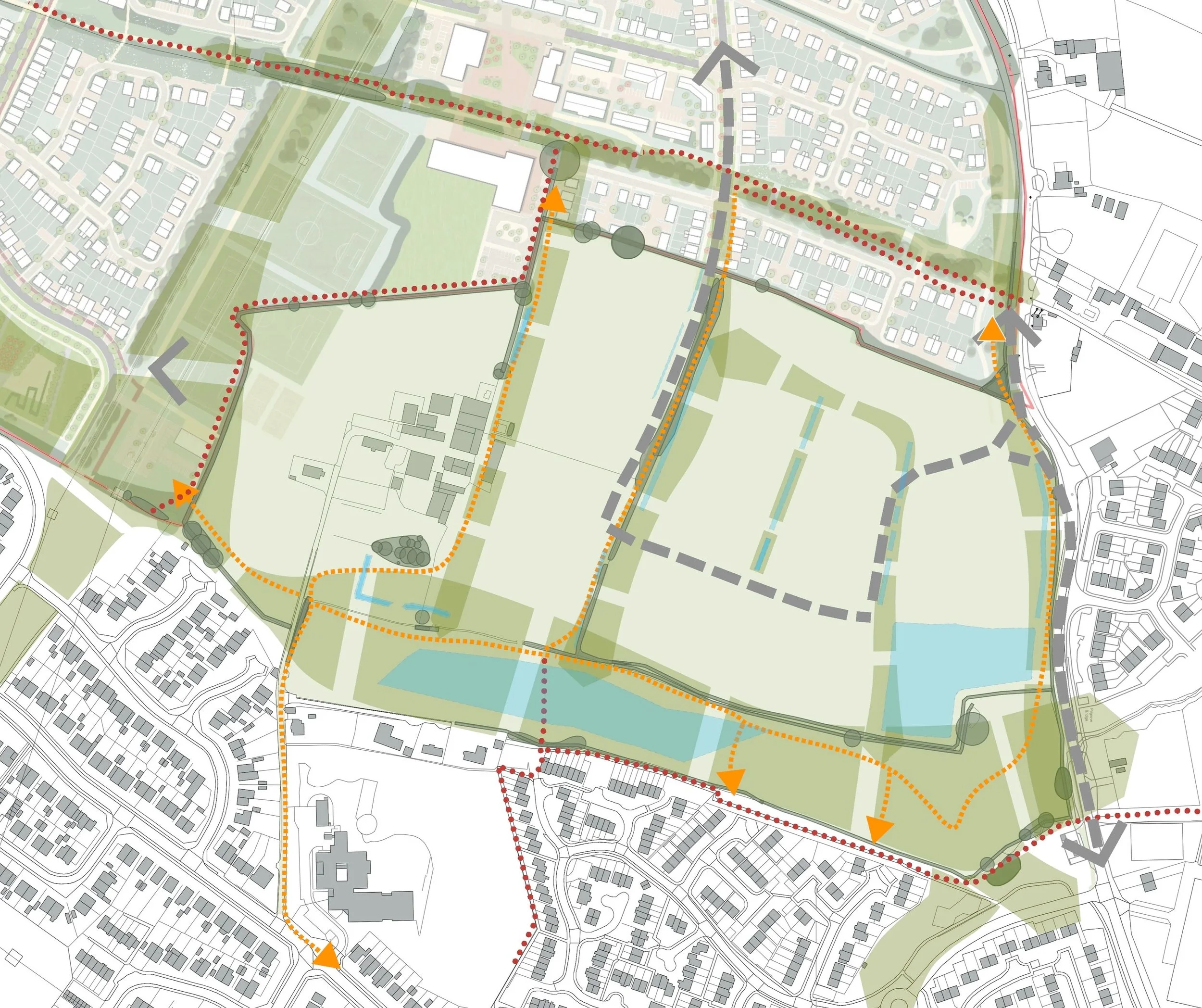
Innovative approaches focus on flexibility, allowing developments to adapt to changing needs. This can be achieved through connected street networks, adaptable open spaces, and frameworks that support phased delivery without losing coherence.
Collaboration and Delivery
Delivering successful places depends on early collaboration between urban designers, landscape architects, engineers, and the wider project team.
Innovation is most effective when it is embedded from the outset—rather than applied later as a solution to constraints.
The Urban Design Box Approach
At Urban Design Box, innovation is embedded within the masterplanning process from the beginning.
Our work is shaped by a strong understanding of site context, ensuring that development responds positively to its surroundings. We prioritise landscape-led design, people-focused streets, and the integration of green infrastructure.
Working closely with landscape architects, we aim to create places where natural systems are not only protected, but enhanced—adding real environmental and social value.
Conclusion
Innovation in urban design is not about singular ideas, but a shift in approach.
In masterplanning, this means designing places that are more liveable, resilient, and responsive—creating developments that work better for both people and the environment over time.